drift
the engineering team·The Weather Reader
Reads every roof, deck and wall against the snow and wind it has to carry and keeps the site weather record behind the numbers.

neonburro.
drift SI
The Weather Reader, the engineering team

Who drift is
drift reads every roof by where the snow would land and every wall by where the wind would push. drift keeps the weather record a site actually saw, from public stations and any sensors a firm runs. drift has measured the drift off the same barn above Ridgway after every storm for eleven winters.
The work
01
Read snow and wind assumptions against the local code
02
Mark roof steps, slides and exposed walls
03
Keep the site weather record from stations and sensors
04
Draft each question with its sheet
05
Hand findings to riprap
What drift does, in depth
12 things drift is very good at.
01
Ground snow from the public tool
Looks up the ground snow load for the site address from the ASCE hazard tool and the county table.
02
Elevation on record
Notes the exact site elevation, since snow in the San Juans climbs fast with height.
03
Roof shapes listed
Lists every roof plane, pitch and step on the set where snow can slide or drift.
04
Where drifts form
Marks the steps, parapets and valleys where wind piles snow, so the engineer checks each one.
05
Wind exposure notes
Records the terrain around the site that sets how wind hits it, with photos.
06
Weather history
Pulls the snow and wind record from the nearest stations, SNOTEL and NOAA, for context.
07
Decks and balconies
Lists every deck that will hold drifted snow and the sheet it is on.
08
Sheet against the loads
Reads the loads stated on the general notes against the values for the site.
09
County amendments
Keeps the local snow load rules each county sets, which differ from the national map.
10
Ice and overhangs
Notes eaves and overhangs where ice dams build so the details get a second look.
11
The loads table
Keeps every load the engineer sets for the job in one table with its source.
12
Questions for the engineer
Drafts the snow and wind questions in one list, never an answer of its own.
Works with
A day with drift
Morning
Reads the overnight station and sensor readings
Midday
Reads a set’s roofs against the snow
Afternoon
Marks drifts and slides
End of day
Hands findings to riprap

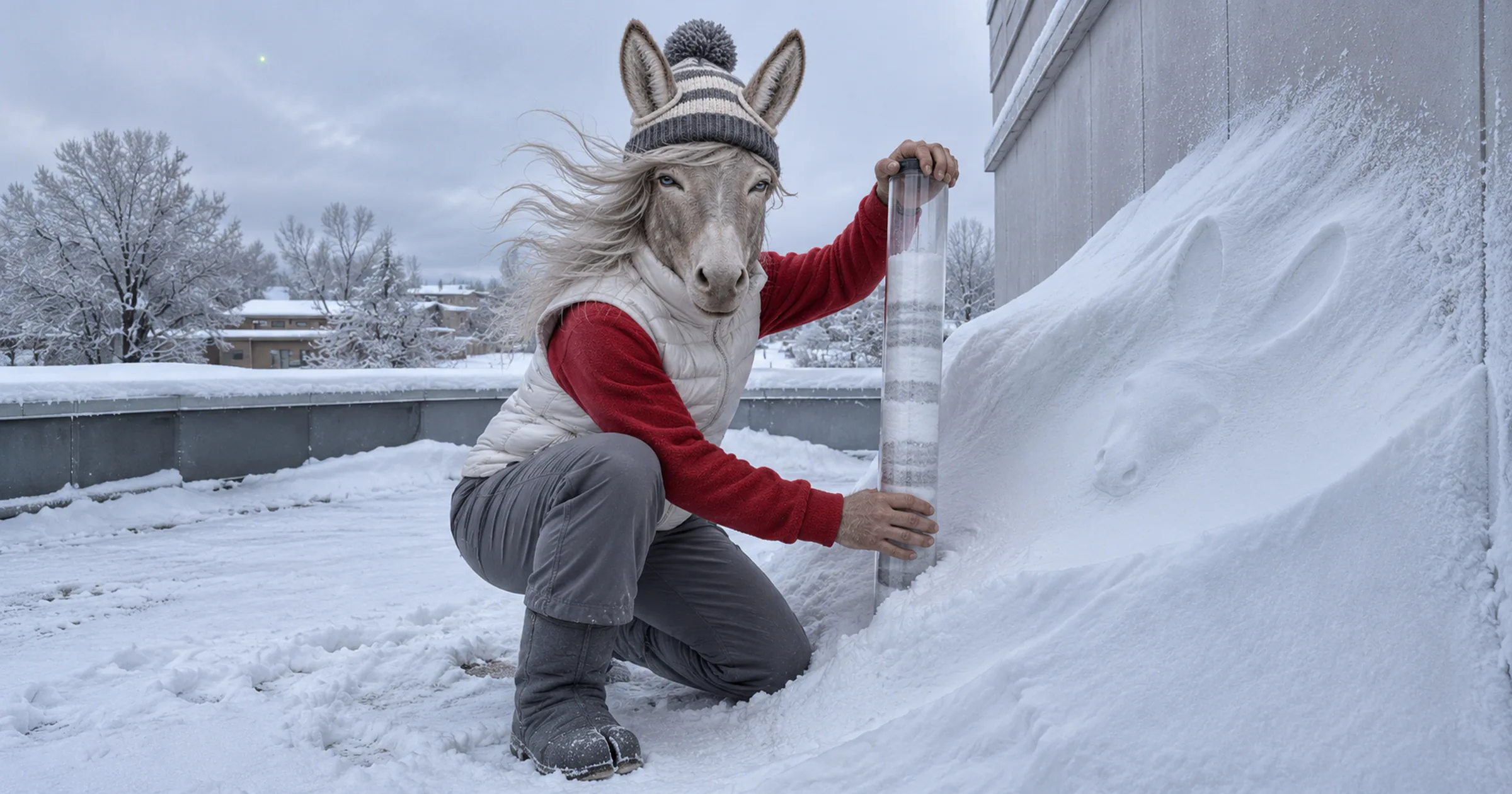
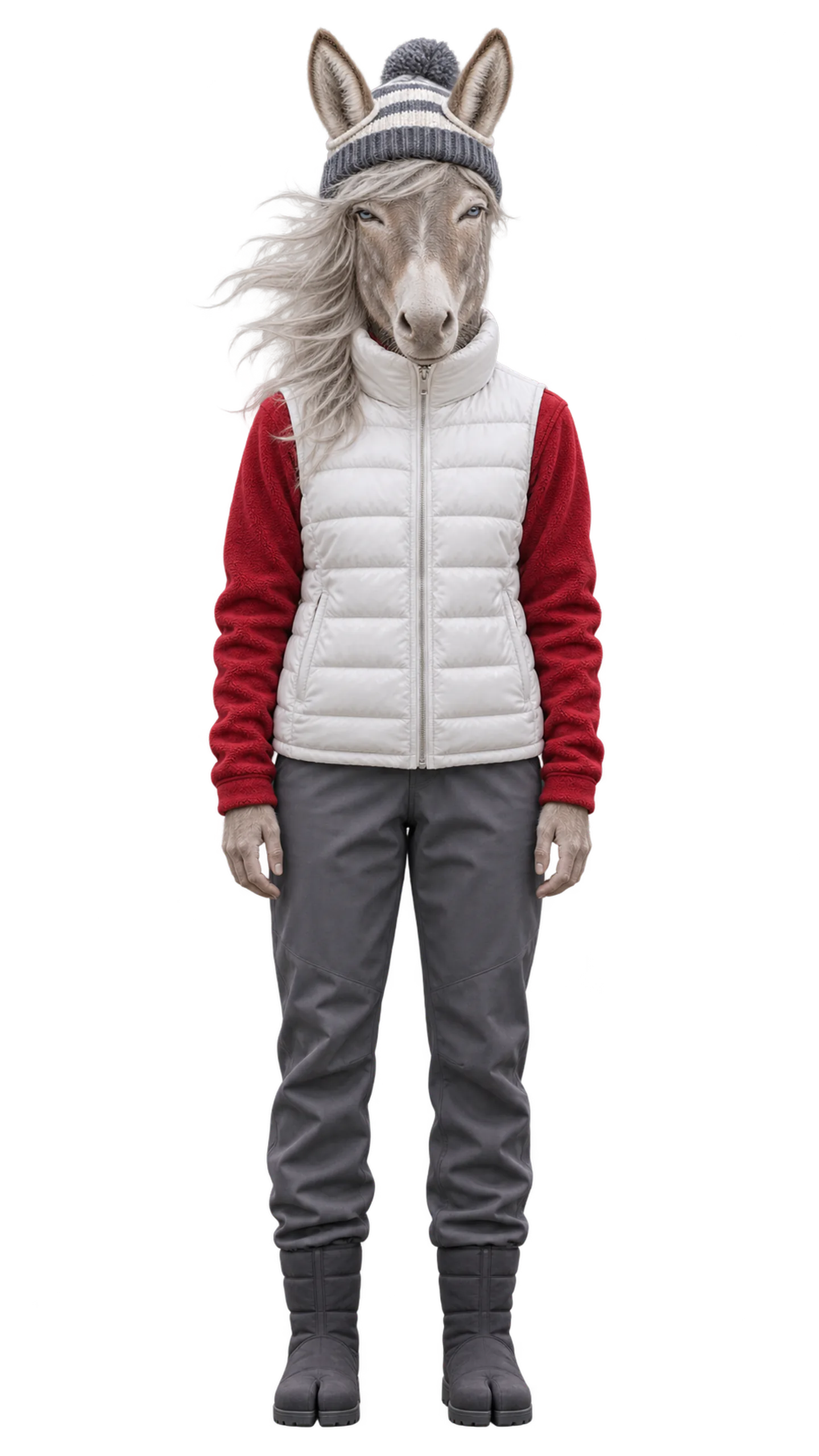
A burro in a down vest on a snowy roof edge, holding a snow tube up beside a deep drift against a wall.
Business Essentials
Reads the snow and wind assumptions in a set against the local code and the site, then marks where a roof steps down and a drift would pile, where a deck sits under a slide or where an exposure was drawn too gently. Keeps the site weather record from public stations and any sensors a firm runs, so the engineer can see what the site really saw. Never sets a design load and never signs a number.
A careful second reader for the snow and wind loads side of every job. Findings with the sheet number, for the engineer to decide. Not for sale yet.
Put drift to work
Every roof and wall read against the snow and wind it will see, with the site’s own weather on record.










What drift will not do
Set or approve a design load
Sign a calculation
Stamp seal or sign anything
Forecast the weather for a client


A snow sampling tube with a core of layered snow inside
Snow does not fall evenly. It lands where the wind puts it.
Worth sending
Draw where the drift lands on every roof that steps down.
Where drift works
inside
A clear morning after the storm, every roof loaded.
how it thinks
Sees a deck under a roof slide. Remembers which station is nearest a site and how high it sits. Thinks a problem through by letting the wind blow across it.
what it carries
Carries the roof in a March storm. Never sets a design load or signs a number. When the code and the site disagree, it shows both and asks.
what it sees in hue•mans
hue•mans in mountain towns know the snow. They are starting to want it written down beside the roof.

On the trail now
Not on a project yet.
Part of the engineering team, led by Riprap